
The Science of the Seedbed: Why Better Prep Reduces Callbacks
Hydra-Bucket Pulverized Soil for a Lawn
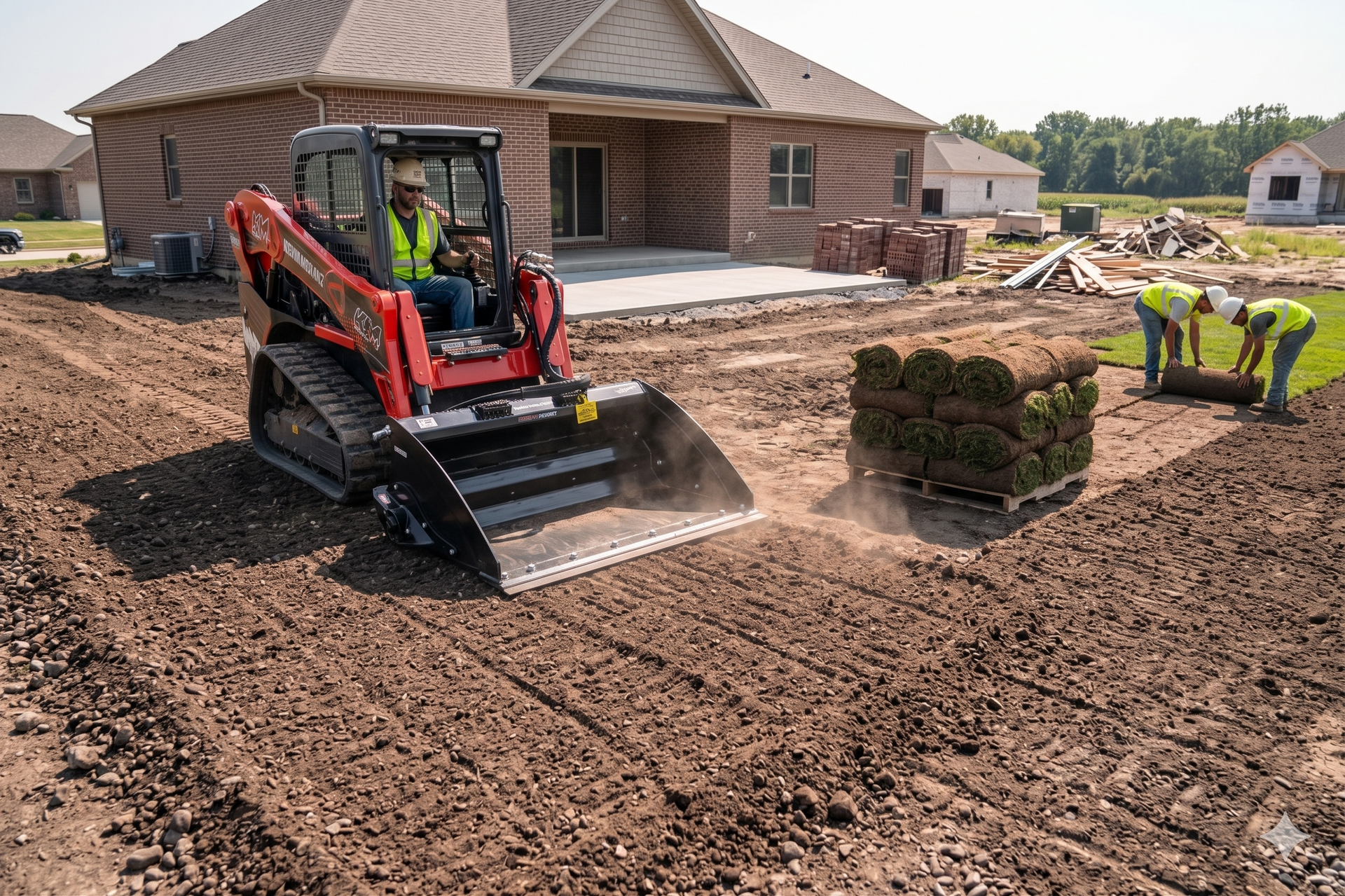
For Pennsylvania landscaping professionals, the success of a new lawn installation is often determined before the first seed even touches the ground. When working with heavy clay soils of the Lehigh Valley or rocky, sandy loam of the Pocono Mountains, the seedbed quality is easily the single greatest predictor of germination rates and long-term turf health. Many contractors still rely on traditional tilling or simple raking, but modern soil science points toward a better, more precise method. Creating the perfect seedbed is about more than just moving dirt; it is about managing soil structure, pore space, and seed-to-soil contact through advanced conditioning.
Understanding the Biological Requirements for Germination
To understand why a conditioned seedbed is superior, we must first look at what a grass seed actually needs to transition from dormancy to active growth. Seeds are biological packages that require very specific environmental triggers: consistent moisture, adequate oxygen, and optimal temperature are vital. Traditional tillage can sometimes create an overly loose environment, which leads to rapid moisture loss and uneven settling. Conversely, compacted soil prevents oxygen from reaching the seed and restricts the initial root system from penetrating the earth.
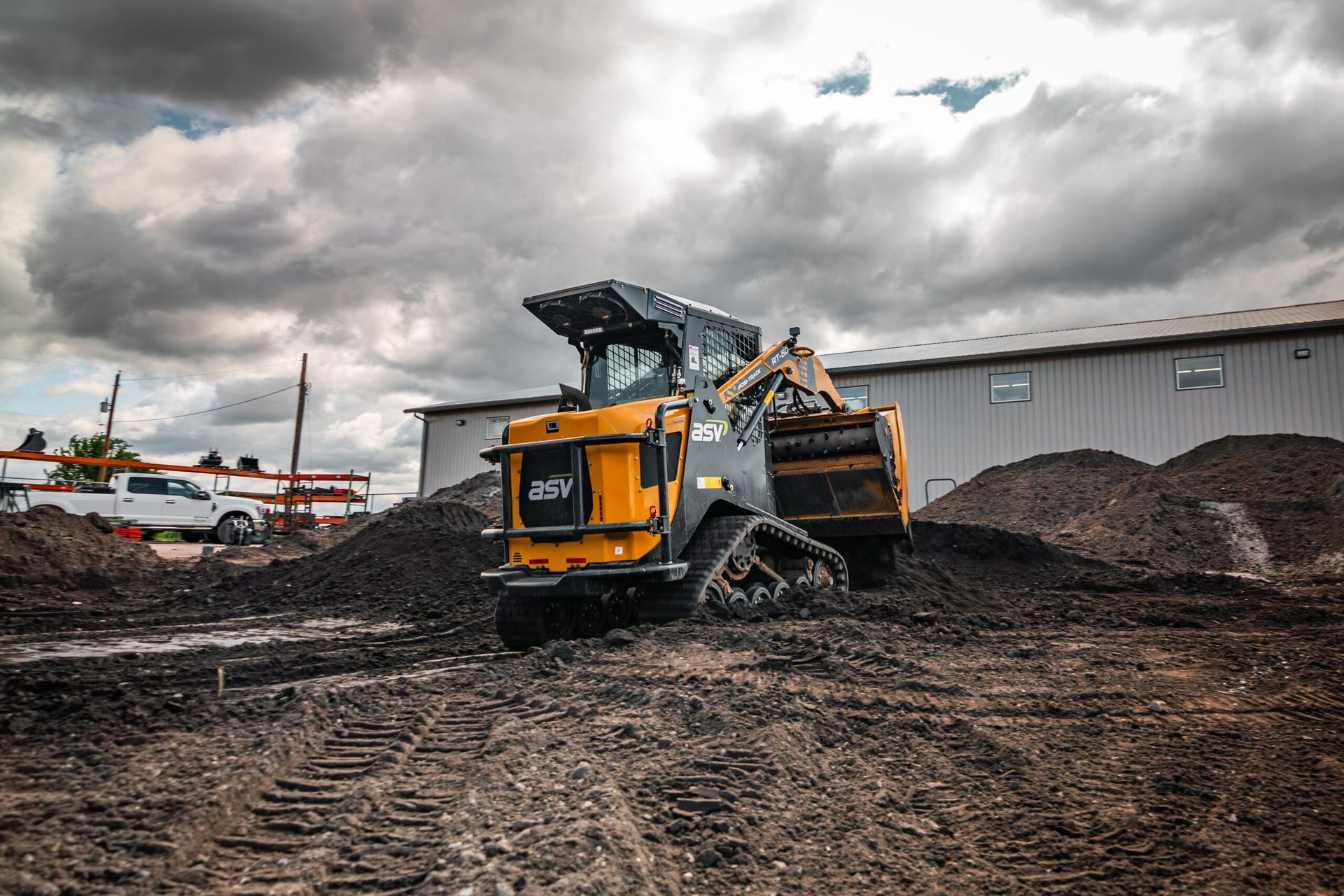
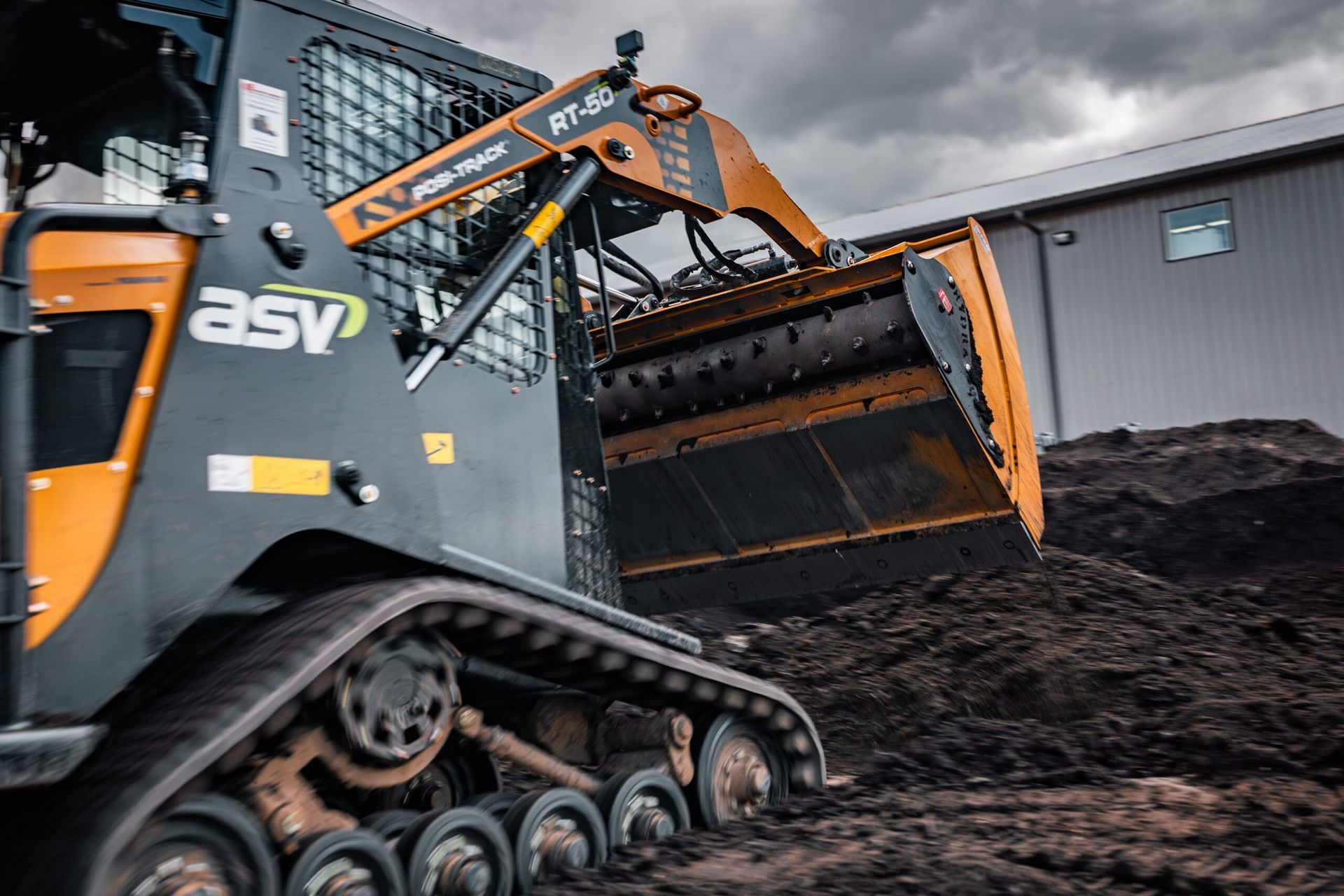
The Hydra-Bucket creates a scientifically optimized environment by pulverizing clods and aerating the soil without destroying its internal structure. Consider these key biological factors that conditioning addresses:
- Pore Space and Aeration: Grass roots need oxygen for the chemical reactions that are key to growth. Conditioning creates small air pockets in the soil, allowing for gas exchange while maintaining the ground's structural integrity.
- Capillary Action and Moisture Retention: In a well-conditioned seedbed, the soil particles are fine enough to facilitate capillary action, which draws moisture from deeper in the earth up to the seed. Large clods created by standard raking break this chain, leaving seeds to dry out.
- Seed-to-Soil Contact: For a seed to imbibe water and initiate germination, it must be in direct, 360-degree contact with moist soil. A pulverized tilth provides a much larger surface area for this contact than a rough-tilled surface.
- Thermal Regulation: Fluffed, aerated soil warms up faster in the cool Pennsylvania spring than dense, waterlogged clay. This earlier warming can trigger germination several days sooner, giving the grass a head start before summer weeds emerge.
The Problem with Traditional Horizontal Tilling
Many contractors use a standard rotary tiller or a high-speed disk to prepare sites. While these tools are effective at breaking up the surface, they often cause horizontal shearing. This shearing action creates a compaction layer, often called a plow pan, just a few inches below the surface. In the heavy clay soils found in many parts of Pennsylvania, this layer acts as an impermeable barrier.
When spring rains arrive, water hits this compaction layer and sits there, leading to waterlogged roots and fungal diseases like damping-off. When the summer heat follows, the shallow roots are unable to penetrate the hard pan to reach deeper moisture, leading to premature dormancy or death. The vertical conditioning action of the Hydra-Bucket avoids this horizontal shearing. By using a rotating drum with carbide teeth to pulverize the soil from the top down, you maintain the vertical integrity of the soil profile, encouraging deep, healthy root development.
Managing Pennsylvania’s Diverse Soil Challenges
Pennsylvania’s geography means that a medium-sized landscaping company might encounter three different soil types in a single work week. Each of these types requires a different approach to seedbed preparation, and a versatile soil conditioner is the only tool that can handle them all with the same machine.
- Heavy Clay (Lehigh & Delaware Valleys): Clay is nutrient-rich but prone to extreme compaction. The Hydra-Bucket’s high-torque drum breaks up the sticky plates of clay, introducing the loft and air necessary for root growth.
- Sandy Loam (Pocono Region): This soil drains quickly and can be difficult to firm up. Conditioning allows you to create a fine enough tilth that moisture is retained longer near the surface.
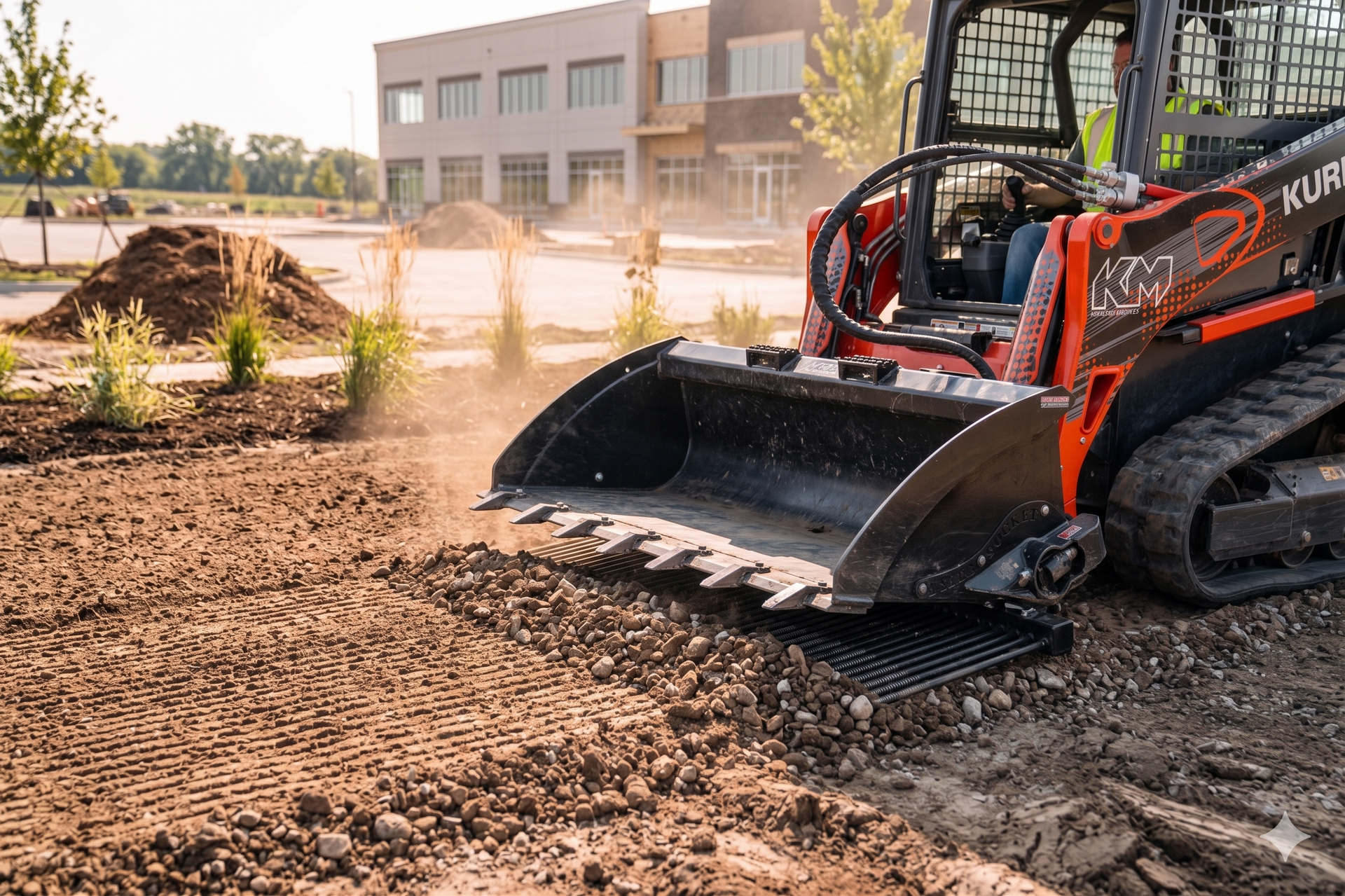
- Rocky Glacial Till (Northern PA): In these areas, the sifting capability of the Hydra-Bucket is vital. Removing stones larger than an inch ensures the grass can grow into a uniform carpet rather than thin patches around obstructions.
By adjusting the drum's depth and speed, an experienced operator can tailor the conditioning process to the site's specific needs. This level of customization is what separates a high-end landscape installation from a budget job that will need to be re-seeded in the fall.
The Role of Mechanical Pulverization in Weed Suppression
One of the hidden benefits of intensive soil conditioning is reduced weed pressure. Traditional tillage often brings buried weed seeds from deep in the soil profile to the surface, where they can germinate. The Hydra-Bucket’s conditioning action primarily focuses on the top two to three inches of the soil—the "active zone" for grass seed. By pulverizing the surface without turning over the entire soil profile, you are leaving the majority of dormant weed seeds buried where they cannot compete with your new turf.
Furthermore, a faster-germinating lawn is its own best defense against weeds. When grass establishes quickly and forms a dense canopy, it shades the soil surface. This prevents weed seeds from receiving the light they need to germinate. By using science-backed preparation methods to speed up the green-up process, you are providing your clients with a cleaner, more professional result that requires fewer chemical interventions later in the season.
Building a Business on Better Science
In the modern landscaping industry, clients are becoming more educated about the processes used on their property. When you can explain the science behind why you use a soil conditioner rather than a standard rake, you are building trust and justifying your professional rates. You aren't just "putting down grass"; you are engineering a biological environment for long-term success.
The Hydra-Bucket is the physical manifestation of this scientific approach. It gives you the power to manipulate the soil at a granular level, ensuring that every project starts with the best possible foundation. As you move through the busy spring season in Pennsylvania, remember that the most beautiful lawns are built from the bottom up. Invest in the science of the seedbed, and your results will speak for themselves. Contact us today to start providing the ultimate results.
Transform your property with
Pro Stump Removal's expert services.
Let us make a tree service connection for you!
Share this post