
Tackling New Jersey Silt and Clay: Why Direct Drive Matters
Why High-Torque Motors are Necessary for the Heavy, Wet Spring Soil in New Jersey.
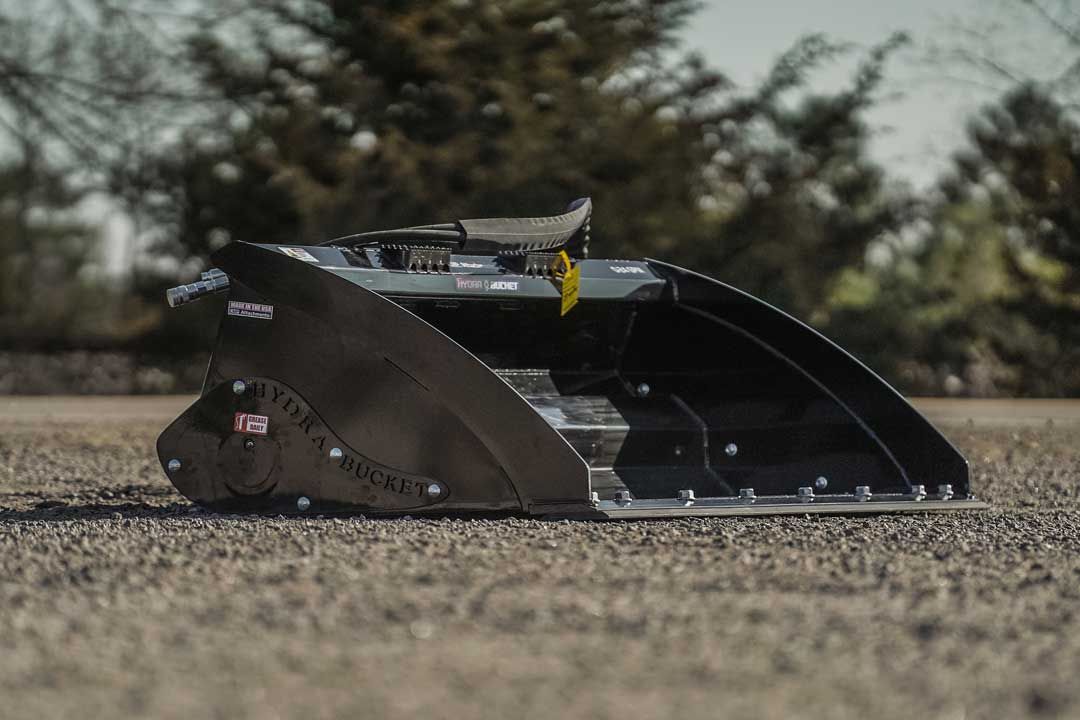
Landscaping in New Jersey requires equipment capable of handling a wide range of soil conditions, from the sandy loam found in the southern coastal regions to the heavy, silty clay common in areas like Cherry Hill and Trenton. When you are preparing a site for a high-stakes spring lawn installation, these heavy soils can become a logistical nightmare for underpowered or poorly engineered attachments. If your soil conditioner does not have enough torque to maintain drum speed, the unit will stall the moment it hits a patch of wet, compacted clay. Which is precisely why the design of the Hydra-Bucket's drive system is so important to New Jersey contractors.
The Inherent Weakness of Chain-Drive Systems
For decades, many traditional soil conditioners and power rakes have utilized a chain-and-sprocket system to spin the pulverizing drum. While this was once the industry standard, it has several inherent weaknesses that become glaringly obvious when working in the heavy, demanding soils of the Garden State. For a medium-sized landscaping business, these weaknesses often lead to downtime and costly repairs during the busiest weeks of the year.
The primary issues with chain-drive systems include:
- Significant Power Loss: Chains and sprockets create mechanical friction and parasitic power loss, meaning a portion of your machine’s hydraulic energy is wasted as heat rather than being converted into soil-crushing torque.
- Constant Maintenance Requirements: Chains naturally stretch over time and require frequent adjustment, tensioning, and lubrication. If a chain breaks or jumps a sprocket in the middle of a project, your day comes to an immediate halt.
- Clogging and Contamination Risks: In the wet, silty conditions common in New Jersey springs, mud and fine grit can easily migrate into the chain housing. This leads to premature wear, rust, and eventual mechanical failure.
- Limited Torque Capacity: Chain drives often act as a weak link, limiting how much downward pressure an operator can apply to the drum before the system slips or snaps.
The Direct Drive Revolution in Soil Conditioning
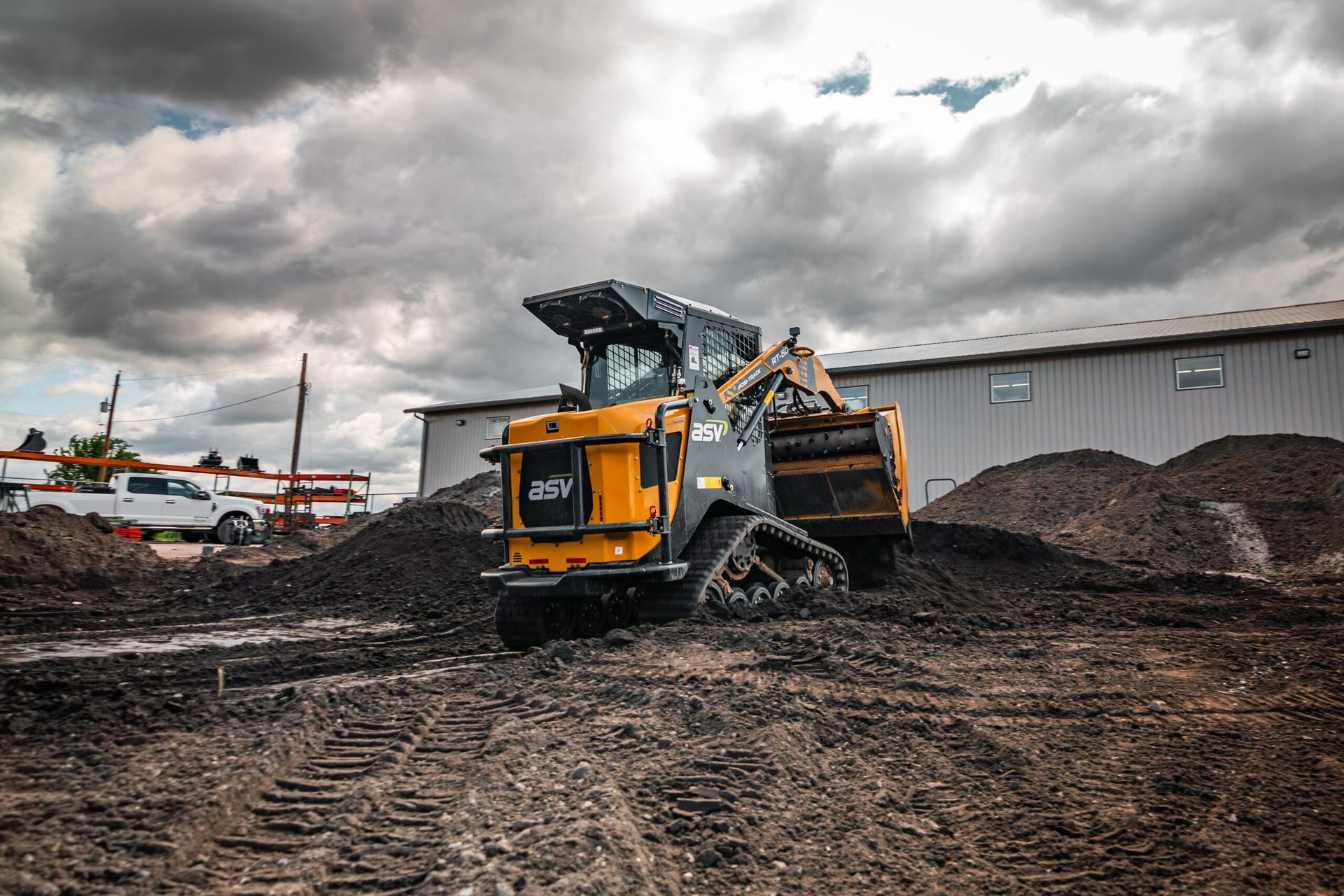
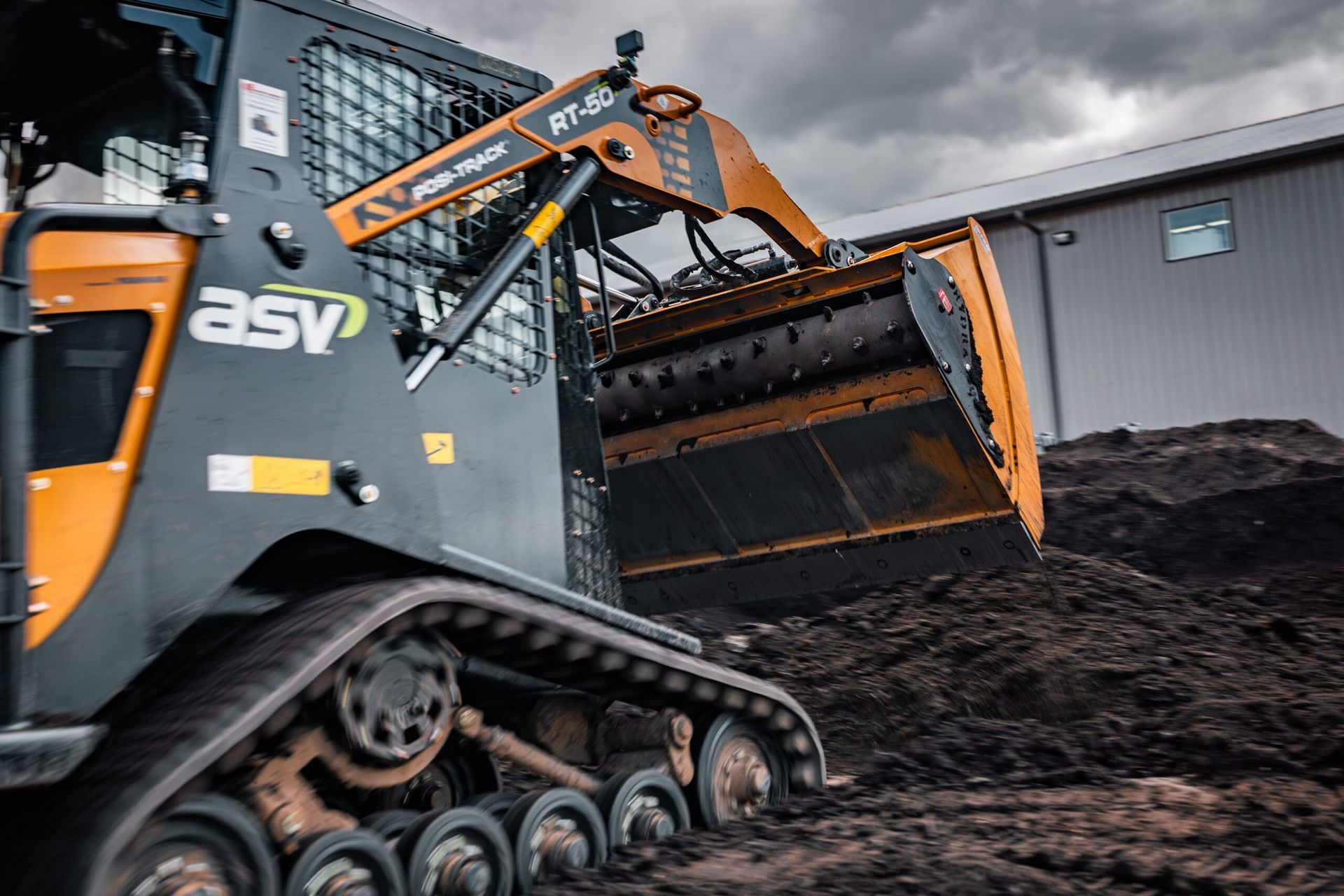
The CMP Hydra-Bucket departs from this outdated design by utilizing a high-performance direct-drive hydraulic motor. The motor is coupled directly to the drum shaft, eliminating the need for chains, sprockets, or external tensioners. This design is way more efficient and durable, especially when your crew is working in the heavy clay around Toms River or Cherry Hill.
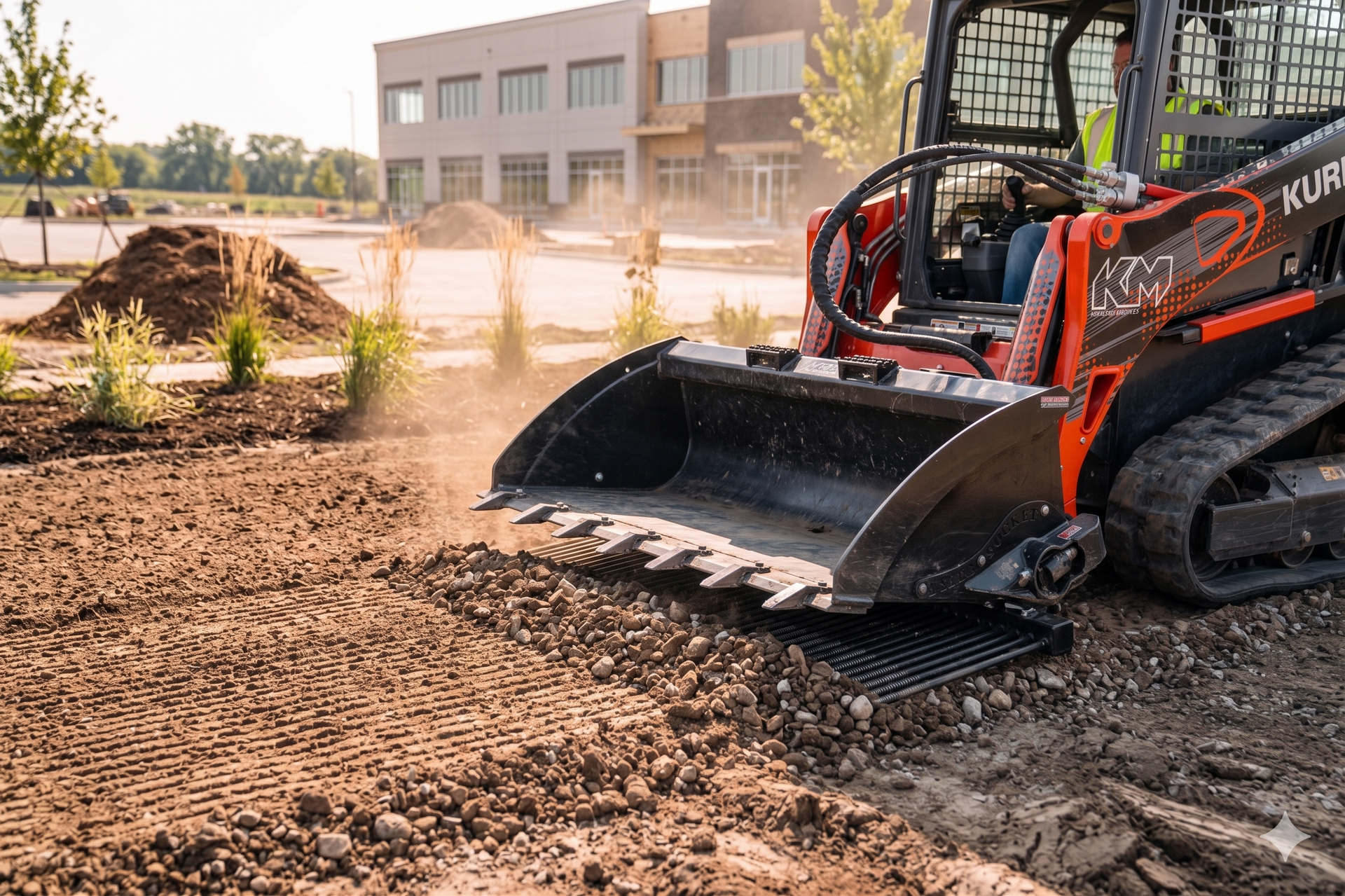
For a professional contractor, direct drive means that the full hydraulic power of your skid steer is being delivered exactly where it counts. When the drum encounters a patch of compacted earth or thick, old sod, the direct-drive system provides a consistent, high-torque rotation. It will not bog down or stall when you apply the pressure necessary to grind through a tough surface. This allows you to achieve a uniform, professional-grade across the entire property, regardless of soil density.
Maximizing Performance in Wet New Jersey Springs
March and April in New Jersey are notoriously wet months. For many landscapers, this often means waiting several days for the ground to dry out before they can even consider starting the grading process. However, the high-torque nature of the direct-drive Hydra-Bucket allows you to work in conditions that would stall a chain-driven rake. The carbide teeth and a consistent drum speed allow you to fluff wet soil, increasing surface area and helping the ground dry out much faster than it would if left undisturbed.
This ability to work through the Jersey mud is a significant competitive advantage. While other crews are sitting in their shops waiting for the sun to come out and the ground to harden, your team can be in the field making measurable progress. The reliability of the sealed hydraulic motor ensures that you have the same level of performance at five o'clock in the afternoon as you did when you unloaded the machine at seven in the morning.
Reducing Your Daily Maintenance Routine
One of the most valuable aspects of the direct-drive system is what you don't have to do. There are no covers to remove, no chains to oil, and no tensioners to adjust every morning. The internal components are triple-sealed to keep out the silt and moisture that destroy other attachments. For a medium-sized company where every minute of the morning load-out counts, this reduction in daily maintenance is a major benefit.
Your operators can focus on the quality of their work rather than worrying about the mechanical integrity of their tools. Because the system is simpler, there are fewer parts for a crew member to damage or lose accidentally. This simplicity leads to a longer service life for the attachment and a much higher return on your investment over several seasons of heavy use.
Contact the Pro Stump Removal sales team today to learn more about how the Hydra Bucket can improve your landscaping operations.
Transform your property with
Pro Stump Removal's expert services.
Let us make a tree service connection for you!
Share this post